the wrong tool is always too expensive
Since 2010, threesixty.at in Graz has produced 3D visualizations, virtual tours and interactive 3D models — over 450 projects, 95% of them through referrals. That number has a reason, and it’s an uncomfortable one for an agency: we regularly advise against our own services.
Anyone who asks us for a quote gets two counter-questions first: What is the goal of the project? And where will it be used? If the answer is “a finished, bright, photogenic apartment — for the listing,” then that’s exactly what we say. Call a good photographer. It costs a fraction and looks more honest. A rendering of something you could photograph is almost always the wrong tool.
the three tiers
Over the years, this has settled into a simple logic we walk through in every first conversation.
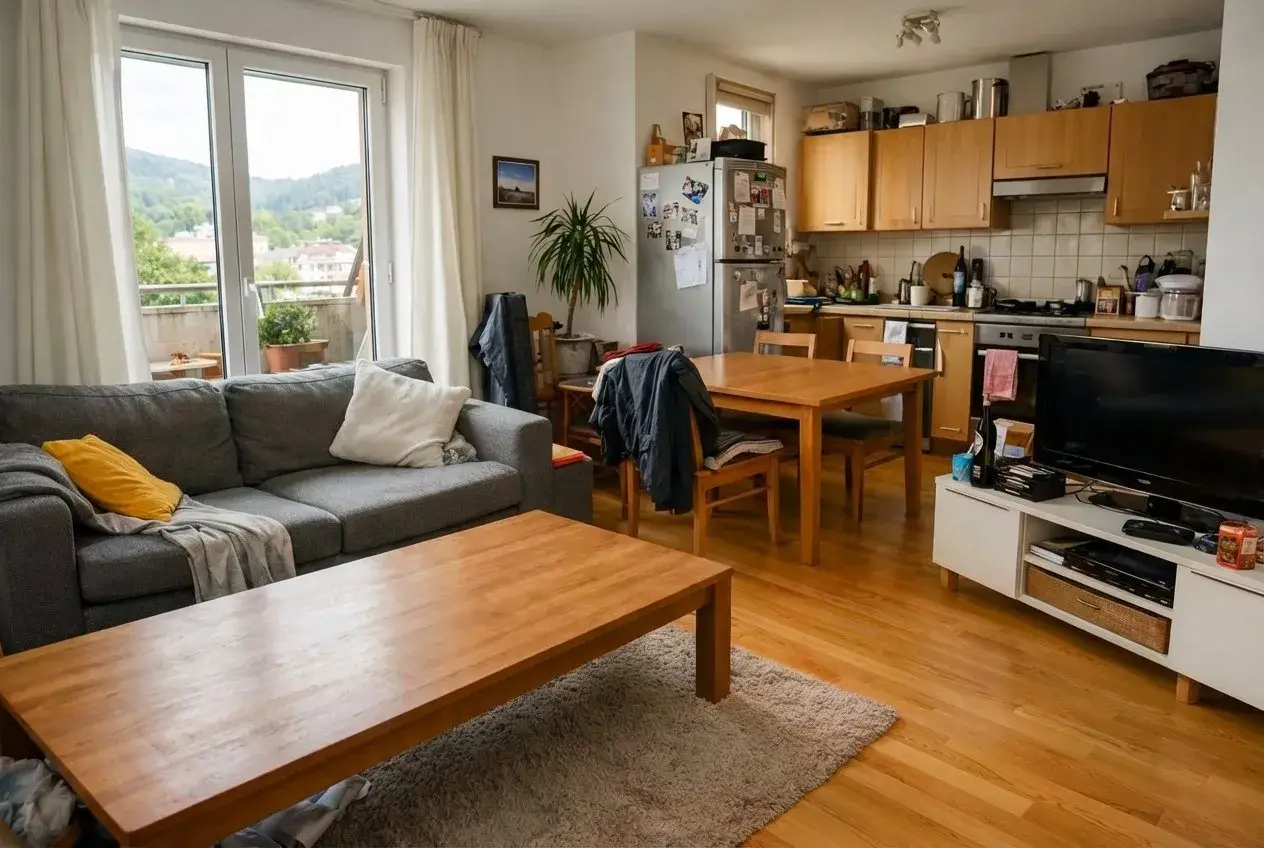
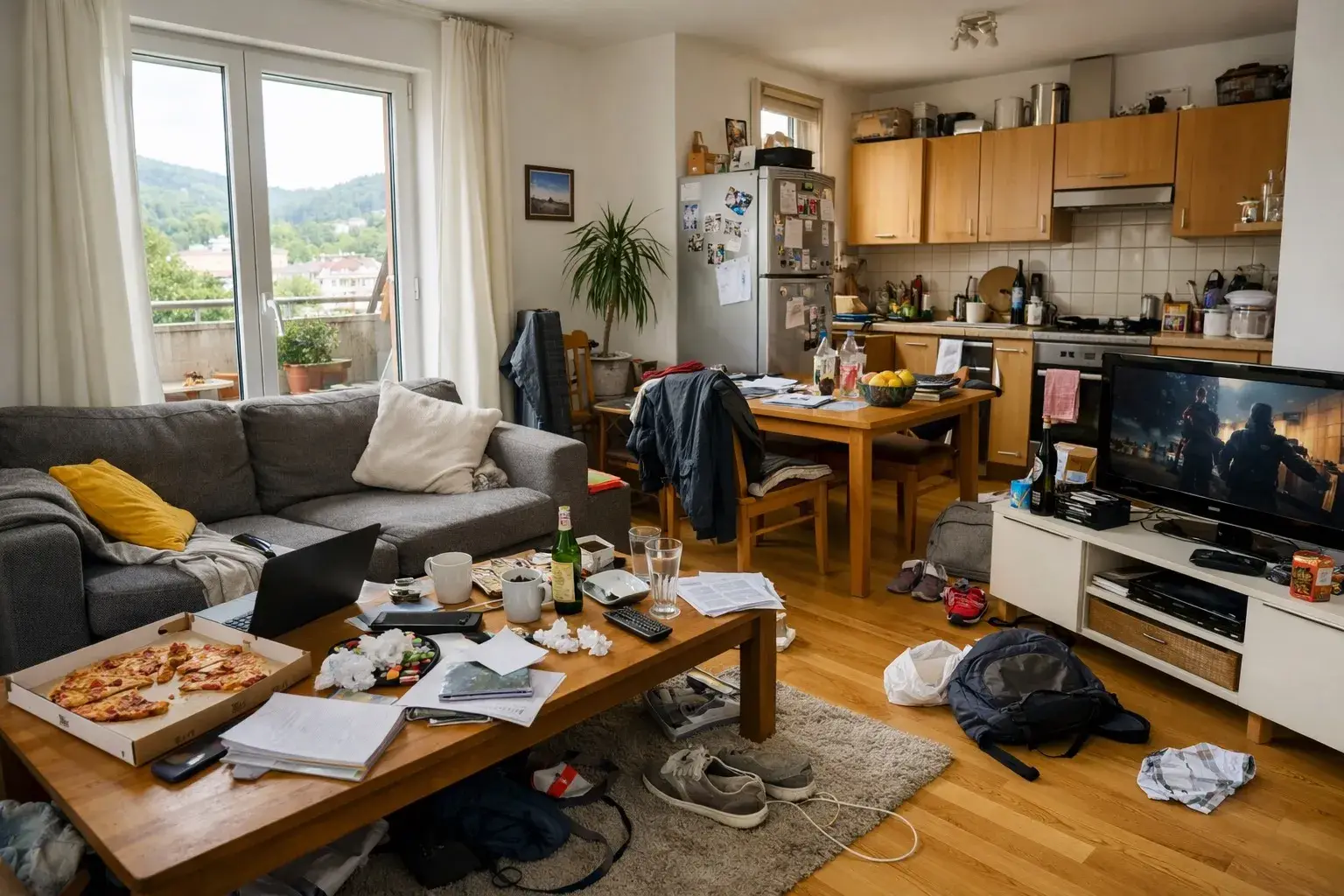
Tier one: a photo is enough. The property exists, is in good condition and can be shown as it is. For the listing, that takes no 3D and no AI — just light, a trained eye and an afternoon. We earn nothing on that recommendation, and that’s fine. The phone call that comes three years later is worth more. The limit of this tier: as soon as viewings become the bottleneck — buyers from further away, an occupied property that’s hard to schedule — the photo case becomes a case for a virtual tour. Captured once, it sorts the inquiries into those who just want to look and those who really want it.
Tier two: the space is real, but empty. Unfurnished rooms sell poorly — people don’t buy square meters, they buy a life inside them. We built our own tool for exactly this: Magic, our AI platform for virtual staging. Images in minutes, at a fraction of classic costs. And yes, that means we sometimes recommend our cheapest product instead of our agency work. With one honest caveat — Magic shows how it could feel. Not how it will be.
Tier three: the object doesn’t exist yet. A developer who has to sell 30 apartments off-plan. An investor deciding on an eight-figure sum. A trade fair where a product needs to be experienced that so far only exists as a CAD file. This is where shortcuts end. This is where craft begins: renderings that show, accurately and contract-true, what the buyer will get. Tours built from 3D data. Interactive models where every unit can be explored before the excavator arrives.
the call about the children’s bed
A founder asked us for renderings: a guard that keeps children from falling out of bed — made of wood, sustainably produced, available in several animal shapes. Intended for his own shop and his Amazon listings. After half an hour on the phone, our recommendation was: photos. The product exists and explains itself — it doesn’t need a hundred staged settings to be understood and bought. At this stage, renderings would have been money in the wrong place.
He thanked us — and mentioned that of all the providers he had asked, we were the first to advise against. We’re proud of that.
”you are by far the most expensive.”
We’ve been hearing that sentence for years. It’s almost always meant as a compliment — it tends to be said at the moment of commissioning, not of declining. Premium pricing and advising against are not opposites; they are the same stance: only what makes the difference deserves to be expensive. That’s why we say it openly when a tier below is enough.
We can afford this for two reasons. First, we built the cheap tool ourselves: if you run your own AI staging platform, you don’t have to pretend AI isn’t competition. It is — for part of our work, and that’s precisely the part we turned into a product. What remains is the part where a trained eye, plan accuracy and real consulting make the difference. That part isn’t shrinking. It’s becoming more visible.
Second, advising against is the cheapest proof of trust there is. The agent we send to a photographer today calls us when her developer client needs to market a project off-plan. That’s how client relationships last for years — and how you get a referral rate no marketing budget can buy.
how to tell when someone just wants to sell you something
Three quiet signals. First: no counter-question. Anyone who asks for your budget before understanding your problem is planning a deal, not a project. Second: you’re offered a rendering for a property that could be photographed. Third: everything is possible, nothing is discouraged. Especially with AI images, skepticism is warranted — impressive single frames are cheap these days; dependable accuracy across an entire project is not.
If we write a text like this again in five years, the tools will be different. The counter-questions stay the same: What is the goal? And where will it be used?